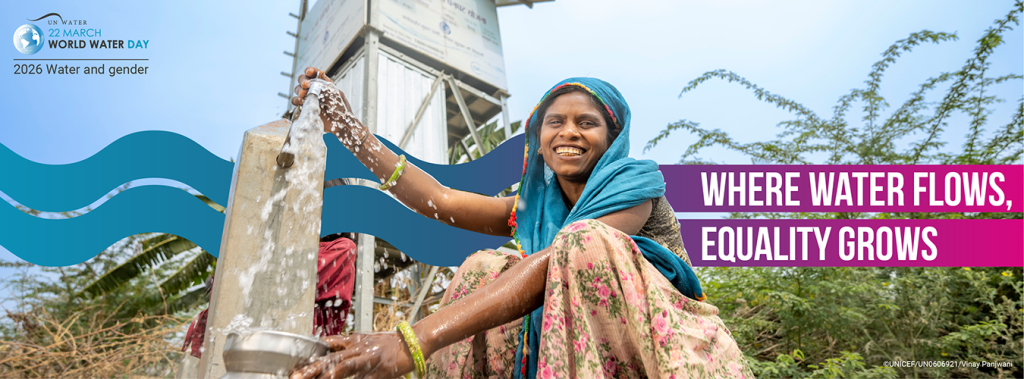
Today, on World Water Day, Bangladesh joins the global call to confront one of humanity’s most urgent challenges: the water crisis. The theme this year, “Where water flows, equality grows,” reminds us that water is not only a resource—it is a right. Yet, when safe drinking water and sanitation are absent, inequality flourishes, and women and girls bear the heaviest burden.
Across rural Bangladesh, women rise before dawn to collect water from distant sources. They manage household water supplies, care for family members sickened by unsafe water, and sacrifice time that could have been spent in education, work, or rest. This is not simply a water crisis—it is a women’s crisis.
Too often, women are excluded from the systems that govern water. Decisions about infrastructure, funding, and policy are made without their voices, even though they are the ones most affected. If we are to build a future where water is a force for equality, women must be equitably represented at every level of leadership—designing every pipe, shaping every policy, and driving every innovation.
Bangladesh has already shown how community-led water initiatives can transform lives. Women’s cooperatives managing village water points, female engineers designing sanitation systems, and grassroots leaders advocating for clean water access are proof that when women lead, solutions become more inclusive and sustainable. These efforts must be scaled, supported, and recognized as central to our national development.
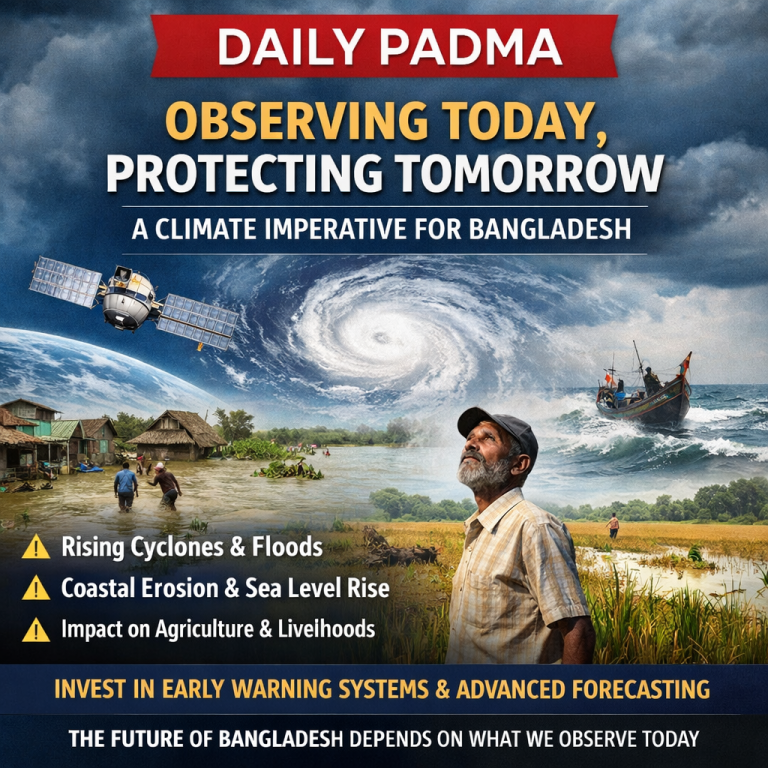
The risks ahead are daunting: climate change, floods, droughts, and governance gaps threaten our water security. But resilience is possible if we treat water as a common good, managed collectively and equitably. Men and boys must also be allies in this transformation—challenging social norms that hold women back and working alongside them to ensure safe water and sanitation for all.
Water is life, but it is also dignity, opportunity, and equality. On this World Water Day, let us commit to centering women and girls in water solutions. Only then can safe water services meet everyone’s needs, empowering women to lead healthier, more fulfilled lives, and making water a true force for sustainable development in Bangladesh.
Where water flows, equality grows. Let us ensure that in Bangladesh, the flow of water carries with it justice, prosperity, and hope for generations to come.
About the Author